
Mescalero Apache Nation
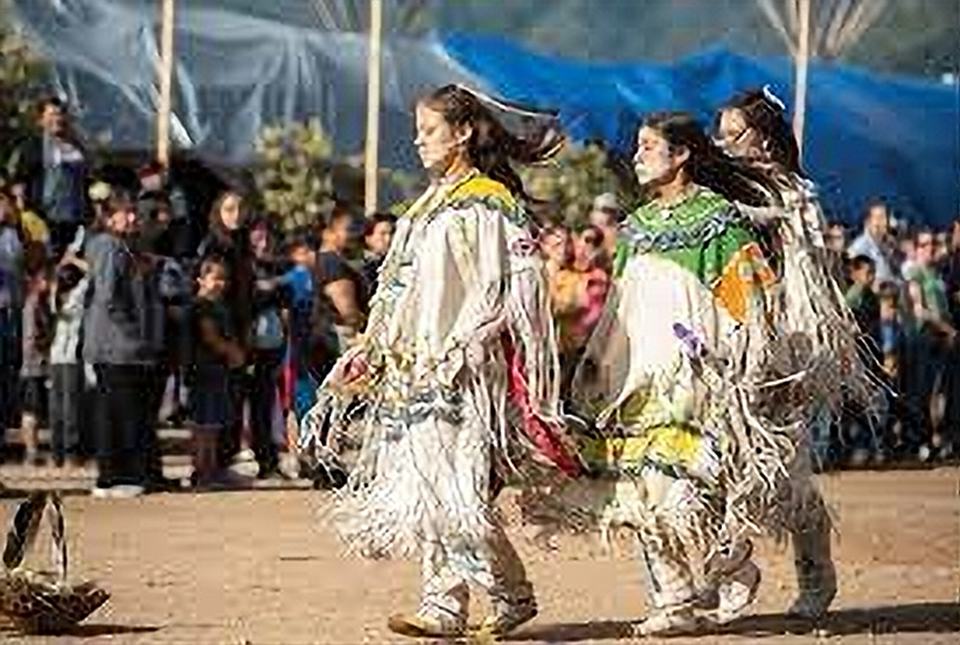
The Mescalero people were nomadic hunters and gathers and roamed the Southwest. They were experts in guerrilla warfare and highly skilled horsemen. The women were known for their ability to find and prepare food from many different plant sources. The people were given the name “Mescalero” because they gathered and ate the mescal plant. It was the staple of their diets and could sustain them in good times and bad.
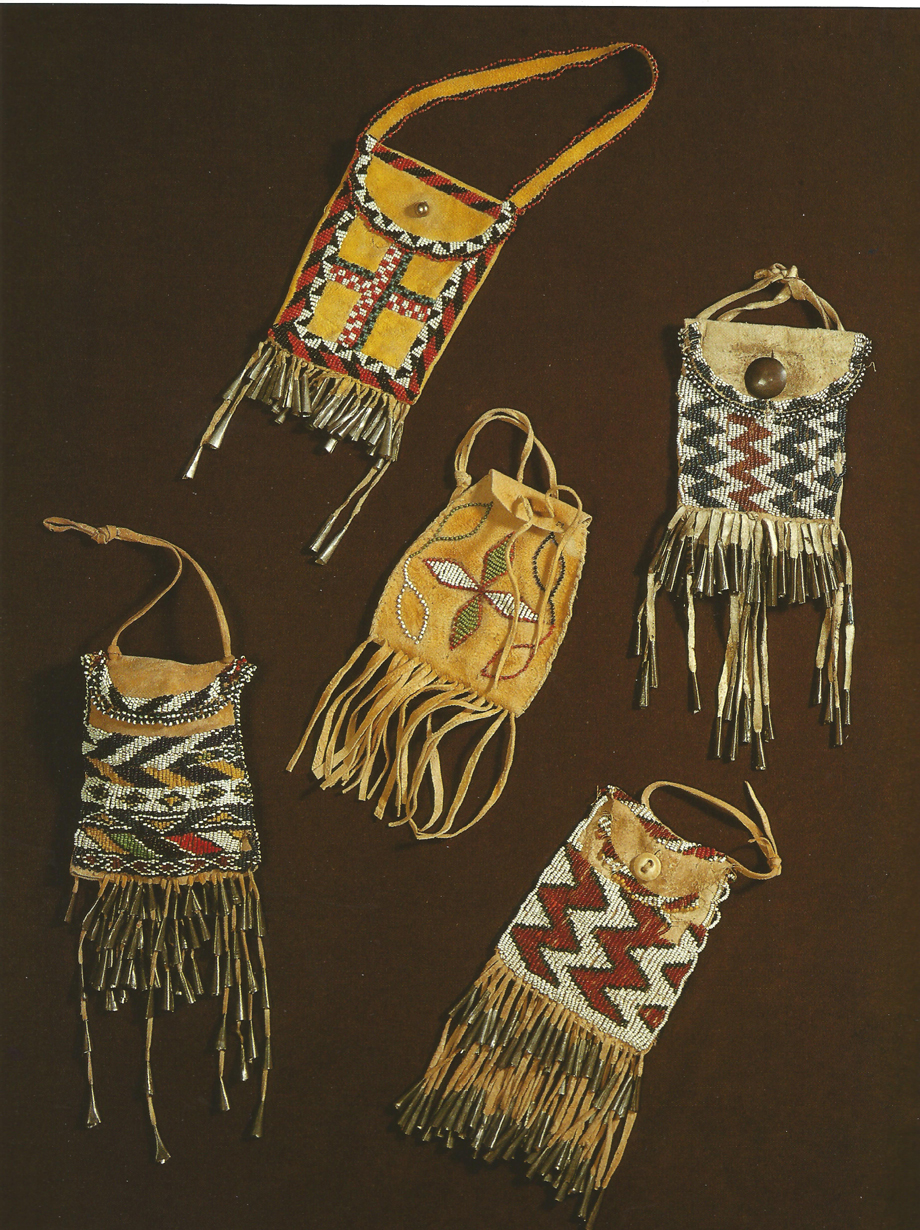
Basketry and beadwork are both traditional and contemporary art works of the Mescalero Apache, who were, for most of their history, a semi-nomadic people. Basket-making material include mulberry, willow, cottonwood, and devil’s claw and a basket’s size indicates its purpose. Small ones are used as medicine baskets, medium-sized wedding baskets given as gifts and weddings; and the large size baskets are burden baskets and bread baskets. A Tus is a large jar-shaped basket sealed with pine pitch to make it waterproof so it can carry water or store food. U-shaped burden baskets carried on the back and held in place by a strap placed across the forehead are used to gather food or word or to haul belongings. Other types of baskets include trays, plaques, and bowls and are made both for domestic use and to sell. Apache decorated clothing and other items with vegetable dyes until the middle of the 19th Century when Europeans introduced glass beads to the southwest. Using four beadwork techniques: loom weaving, sewing, stringing, and netting they decorated items of clothing, moccasins, buckskin pouches and knife cases, necklaces, and women’s hair ornaments. Today, the craft of beadwork remains strong in Apache culture. In addition to beaded traditional items, commercial craft items such as earrings, keychains, purses, barrettes, and hair clips, are also made for sale.
For Directions, information about hours, admission fees and programs go HERE